
Proliner

RENEWABLE ENERGY

Renewable Energy Applications of Pipeline Hot Tapping Services

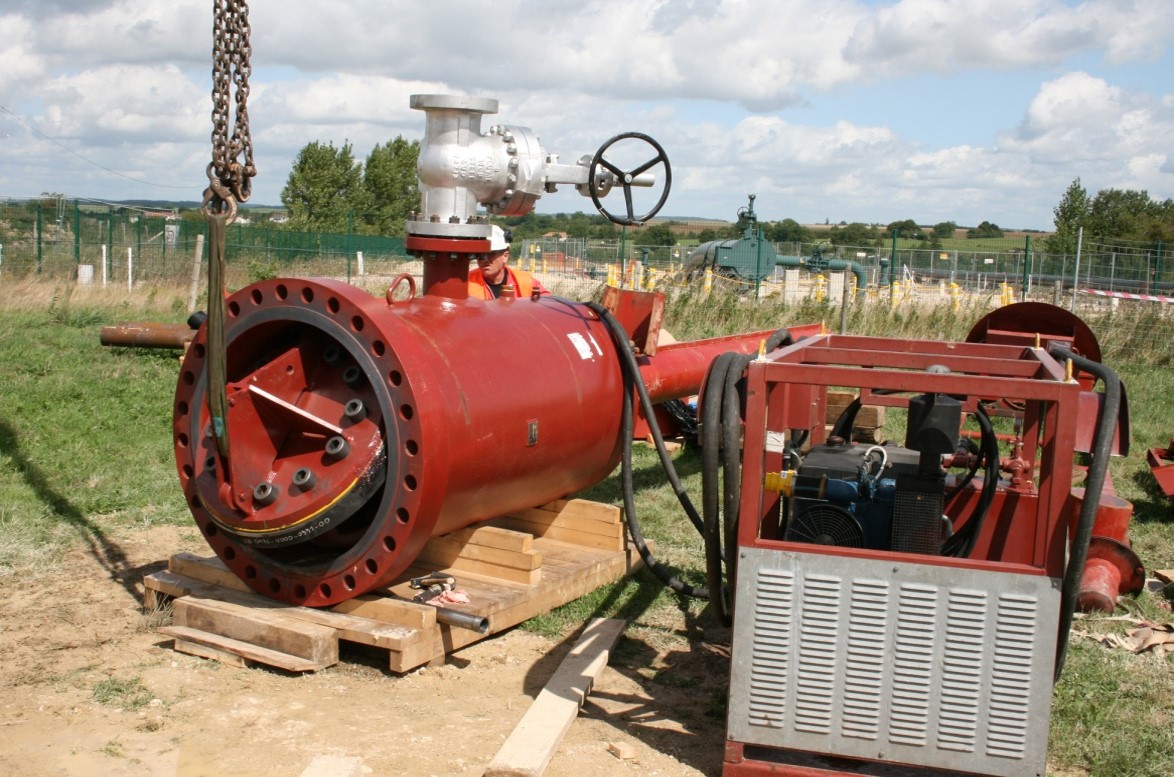
Pipeline hot tapping services, a well-established technique in the oil and gas industry, have found new relevance in the renewable energy sector. These specialized procedures enable the connection to existing, pressurized pipelines without interrupting material flow or requiring system shutdowns. In renewable energy applications, hot tapping services play a crucial role in various aspects:

Pipeline hot tapping services, a well-established technique in the oil and gas industry, have found new relevance in the renewable energy sector. These specialized procedures enable the connection to existing, pressurized pipelines without interrupting material flow or requiring system shutdowns. In renewable energy applications, hot tapping services play a crucial role in various aspects:

Carbon Capture and Storage (CCS):

   CCS projects involve the capture and transportation of CO2 from industrial processes to storage sites. Hot tapping is employed to create access points for monitoring and maintenance, allowing for the efficient operation of these critical infrastructure components in reducing carbon emissions.
 

RENEWABLE ENERGY

Renewable Energy Applications of Pipeline Hot Tapping Services

Pipeline hot tapping services, a well-established technique in the oil and gas industry, have found new relevance in the renewable energy sector. These specialized procedures enable the connection to existing, pressurized pipelines without interrupting material flow or requiring system shutdowns. In renewable energy applications, hot tapping services play a crucial role in various aspects:

Pipeline hot tapping services, a well-established technique in the oil and gas industry, have found new relevance in the renewable energy sector. These specialized procedures enable the connection to existing, pressurized pipelines without interrupting material flow or requiring system shutdowns. In renewable energy applications, hot tapping services play a crucial role in various aspects:

Carbon Capture and Storage (CCS):

   CCS projects involve the capture and transportation of CO2 from industrial processes to storage sites. Hot tapping is employed to create access points for monitoring and maintenance, allowing for the efficient operation of these critical infrastructure components in reducing carbon emissions.

In these renewable energy applications, pipeline hot tapping services help maintain and expand critical infrastructure while minimizing downtime and disruptions. These services not only contribute to the sustainability of renewable energy sources but also enhance the efficiency and reliability of energy generation and transportation systems, ultimately advancing the transition to cleaner and more sustainable energy solutions. However, it’s essential to ensure that hot tapping procedures in these contexts adhere to strict safety and environmental standards to protect both people and the environment.

Geothermal Energy:

   Geothermal power plants often rely on a network of pipelines to transport geothermal fluids, such as hot water or steam, from underground reservoirs to the surface. Hot tapping allows for the installation of additional pipelines or maintenance without disrupting the continuous flow of geothermal fluids.

Solar Thermal Systems:

   Solar thermal systems use pipelines to circulate heat transfer fluids in solar collectors. Hot tapping services facilitate the integration of new collectors or the replacement of damaged components while the system remains operational, maximizing energy capture.

Biomass Energy:

   Biomass power plants utilize pipelines to transport feedstock, such as wood chips or agricultural residues, to combustion or gasification systems. Hot tapping enables the expansion of these pipelines or the installation of sensors and monitoring equipment for better process control.

Hydropower:

  Hydropower facilities often have extensive pipelines for water transportation. Hot tapping services can be employed for the installation of flow measurement devices, pressure sensors, or even the addition of new water intake points without affecting power generation.

Hydrogen Transport:

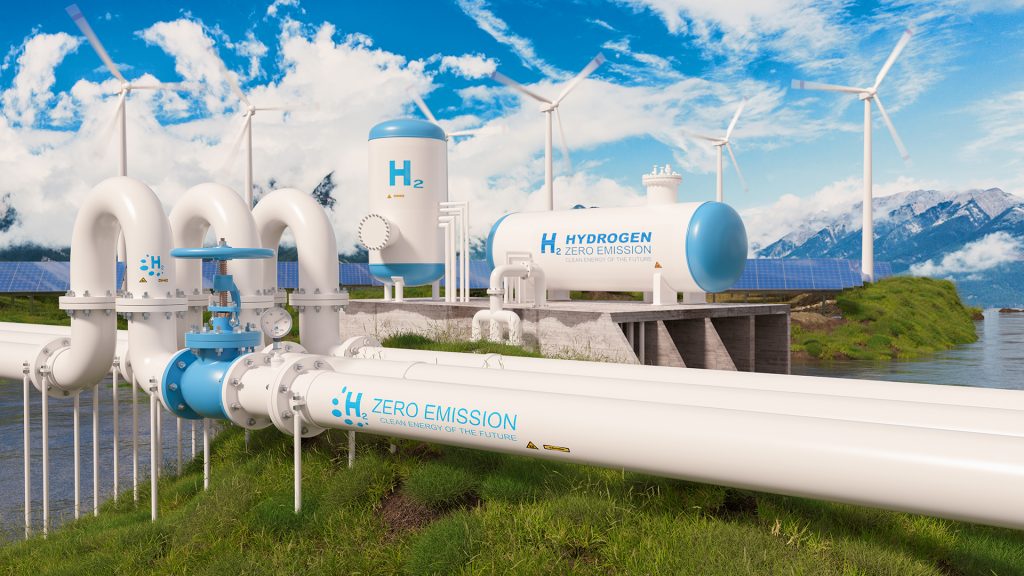
   As hydrogen gains popularity as a clean energy carrier, pipelines are being constructed to transport hydrogen gas. Hot tapping services are indispensable for adding new access points, valves, and sensors to these pipelines, ensuring safe and efficient hydrogen transportation.

Renewable Energy Applications of Pipeline Hot Tapping Services

Pipeline hot tapping services, a well-established technique in the oil and gas industry, have found new relevance in the renewable energy sector. These specialized procedures enable the connection to existing, pressurized pipelines without interrupting material flow or requiring system shutdowns. In renewable energy applications, hot tapping services play a crucial role in various aspects:

Pipeline hot tapping services, a well-established technique in the oil and gas industry, have found new relevance in the renewable energy sector. These specialized procedures enable the connection to existing, pressurized pipelines without interrupting material flow or requiring system shutdowns. In renewable energy applications, hot tapping services play a crucial role in various aspects:

Carbon Capture and Storage (CCS):

   CCS projects involve the capture and transportation of CO2 from industrial processes to storage sites. Hot tapping is employed to create access points for monitoring and maintenance, allowing for the efficient operation of these critical infrastructure components in reducing carbon emissions.

In these renewable energy applications, pipeline hot tapping services help maintain and expand critical infrastructure while minimizing downtime and disruptions. These services not only contribute to the sustainability of renewable energy sources but also enhance the efficiency and reliability of energy generation and transportation systems, ultimately advancing the transition to cleaner and more sustainable energy solutions. However, it’s essential to ensure that hot tapping procedures in these contexts adhere to strict safety and environmental standards to protect both people and the environment.

Geothermal Energy:

   Geothermal power plants often rely on a network of pipelines to transport geothermal fluids, such as hot water or steam, from underground reservoirs to the surface. Hot tapping allows for the installation of additional pipelines or maintenance without disrupting the continuous flow of geothermal fluids.

Solar Thermal Systems:

   Solar thermal systems use pipelines to circulate heat transfer fluids in solar collectors. Hot tapping services facilitate the integration of new collectors or the replacement of damaged components while the system remains operational, maximizing energy capture.

Biomass Energy:

   Biomass power plants utilize pipelines to transport feedstock, such as wood chips or agricultural residues, to combustion or gasification systems. Hot tapping enables the expansion of these pipelines or the installation of sensors and monitoring equipment for better process control.

Hydropower:

  Hydropower facilities often have extensive pipelines for water transportation. Hot tapping services can be employed for the installation of flow measurement devices, pressure sensors, or even the addition of new water intake points without affecting power generation.

Hydrogen Transport:

   As hydrogen gains popularity as a clean energy carrier, pipelines are being constructed to transport hydrogen gas. Hot tapping services are indispensable for adding new access points, valves, and sensors to these pipelines, ensuring safe and efficient hydrogen transportation.

Renewable Energy Applications of Pipeline Hot Tapping Services

Pipeline hot tapping services, a well-established technique in the oil and gas industry, have found new relevance in the renewable energy sector. These specialized procedures enable the connection to existing, pressurized pipelines without interrupting material flow or requiring system shutdowns. In renewable energy applications, hot tapping services play a crucial role in various aspects:

Pipeline hot tapping services, a well-established technique in the oil and gas industry, have found new relevance in the renewable energy sector. These specialized procedures enable the connection to existing, pressurized pipelines without interrupting material flow or requiring system shutdowns. In renewable energy applications, hot tapping services play a crucial role in various aspects:

Carbon Capture and Storage (CCS):

CCS projects involve the capture and transportation of CO2 from industrial processes to storage sites. Hot tapping is employed to create access points for monitoring and maintenance, allowing for the efficient operation of these critical infrastructure components in reducing carbon emissions.

In these renewable energy applications, pipeline hot tapping services help maintain and expand critical infrastructure while minimizing downtime and disruptions. These services not only contribute to the sustainability of renewable energy sources but also enhance the efficiency and reliability of energy generation and transportation systems, ultimately advancing the transition to cleaner and more sustainable energy solutions. However, it’s essential to ensure that hot tapping procedures in these contexts adhere to strict safety and environmental standards to protect both people and the environment.

Renewable Energy Applications of Pipeline Hot Tapping Services

Pipeline hot tapping services, a well-established technique in the oil and gas industry, have found new relevance in the renewable energy sector. These specialized procedures enable the connection to existing, pressurized pipelines without interrupting material flow or requiring system shutdowns. In renewable energy applications, hot tapping services play a crucial role in various aspects:

Pipeline hot tapping services, a well-established technique in the oil and gas industry, have found new relevance in the renewable energy sector. These specialized procedures enable the connection to existing, pressurized pipelines without interrupting material flow or requiring system shutdowns. In renewable energy applications, hot tapping services play a crucial role in various aspects:

Carbon Capture and Storage (CCS):

   CCS projects involve the capture and transportation of CO2 from industrial processes to storage sites. Hot tapping is employed to create access points for monitoring and maintenance, allowing for the efficient operation of these critical infrastructure components in reducing carbon emissions.

In these renewable energy applications, pipeline hot tapping services help maintain and expand critical infrastructure while minimizing downtime and disruptions. These services not only contribute to the sustainability of renewable energy sources but also enhance the efficiency and reliability of energy generation and transportation systems, ultimately advancing the transition to cleaner and more sustainable energy solutions. However, it’s essential to ensure that hot tapping procedures in these contexts adhere to strict safety and environmental standards to protect both people and the environment.